Climate Cooperation China
On behalf of the International Climate Initiative (IKI)

NFGA plans to explore the economic value of carbon sinks from forestry and grassland through the carbon market

Carbon sinks might be traded as offsets in the national ETS.
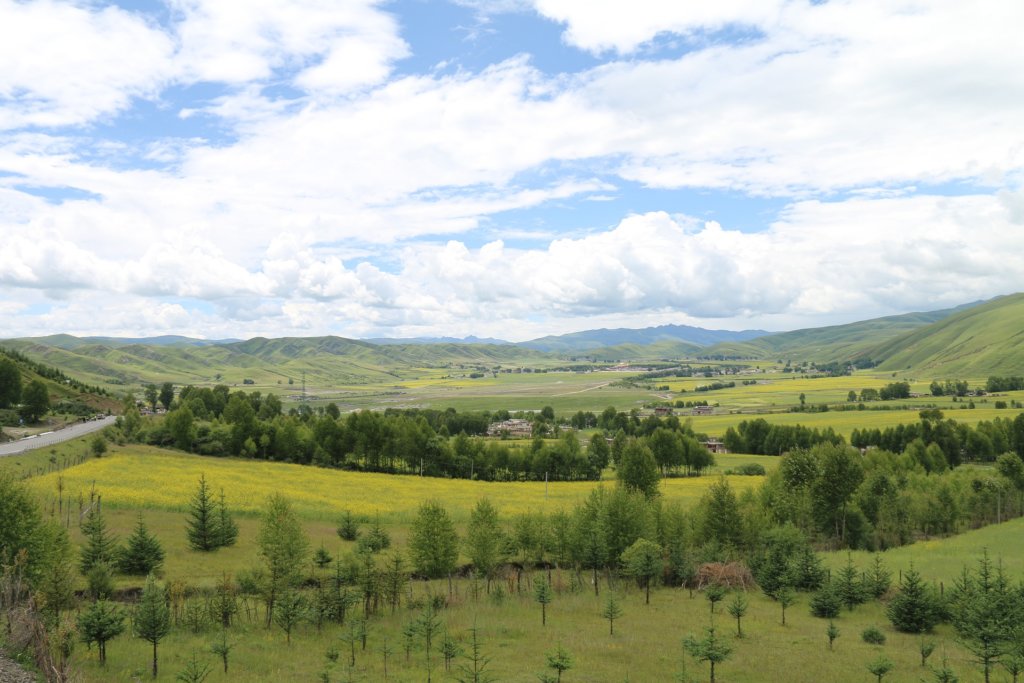
Photo Credit: Pixabay, Weili Fang

On 20 August, the Press Conference of the State Council introduced the 14th Five-Year Plan on Forestry and Grassland Protection and Development, which was recently published by the National Forestry and Grassland Administration (NFGA). Mr ZHANG Wei, Director of the NFGA’s Department of Ecological Protection and Restoration, announced that between 2021 and 2025, the forest stock target, which is part of China’s Nationally Determined Contributions (NDC), will be increased from 4.5 billion cubic meters in the previous NDC to 6 billion cubic meters in the upcoming revision of the NDC.

According to Mr ZHANG, a key point in the plan is the exploration of economic value for carbon sinks from forestry and grassland via market-based mechanisms. The NGFA aims to incorporate carbon sinks from forests and grassland with the national ETS as offsets. To this end, the NGFA will explore the establishment of a trading platform for carbon sinks, encourage investments in carbon sinks and support stakeholders (regions, organizations, public, and enterprises) to use carbon sinks from forestry and grassland to achieve their carbon neutrality goals.


Read more (CN, CN)

More policy news

China issues National Climate Plan for 2026–2030

On 27 July 2026, the Ministry of Ecology and Environment (MEE) and 18 other national authorities jointly issued the “National Climate Change Plan for the 15th Five-Year Plan Period”. The plan covers the period 2026–2030 and addresses mitigation, adaptation, carbon markets, product carbon footprints and climate governance.

The plan builds on the objectives of the general 15th Five-Year Plan (FYP) for National Economic and Social Development, adopted in March 2026, and of the State Council’s “Action Plan for Carbon Peaking during the 15th Five-Year Plan Period”, issued earlier this month. While the “Action Plan for Carbon Peaking” focuses mainly on energy and sectoral carbon dioxide (CO2) reductions, the new national climate plan also addresses non-CO2 gases, climate risk and the data systems needed to implement climate policy.

Read More »

China sets out how it intends to peak carbon emissions before 2030

On 9 July 2026, the State Council published the “Action Plan for Carbon Peaking during the 15th Five-Year Plan Period (2026–2030)”. The plan translates the climate objectives of the 15th Five-Year Plan, adopted in March 2026, into sector-level measures for energy, industry, transport, buildings and carbon markets. It is the central instrument through which China intends to reach its target of peaking carbon dioxide (CO2) emissions before 2030, and prepare the ground for carbon neutrality before 2060.

Read More »

Contact Us

Email: climatechangechina@giz.de
Address:
Tayuan Diplomatic Office Building (16F) 
14 Liangmahe Nanlu, Chaoyang 
District 100600 Beijing, PR China
Newsletter: IKI China (in “Project and programme newsletters” section)

WeChat:

LinkedIn: