The amendment to the Montreal Protocol, which was first signed in October 2016 and regulates the phase-down of hydrofluorocarbons, has become effective in China as of 15 September 2021.
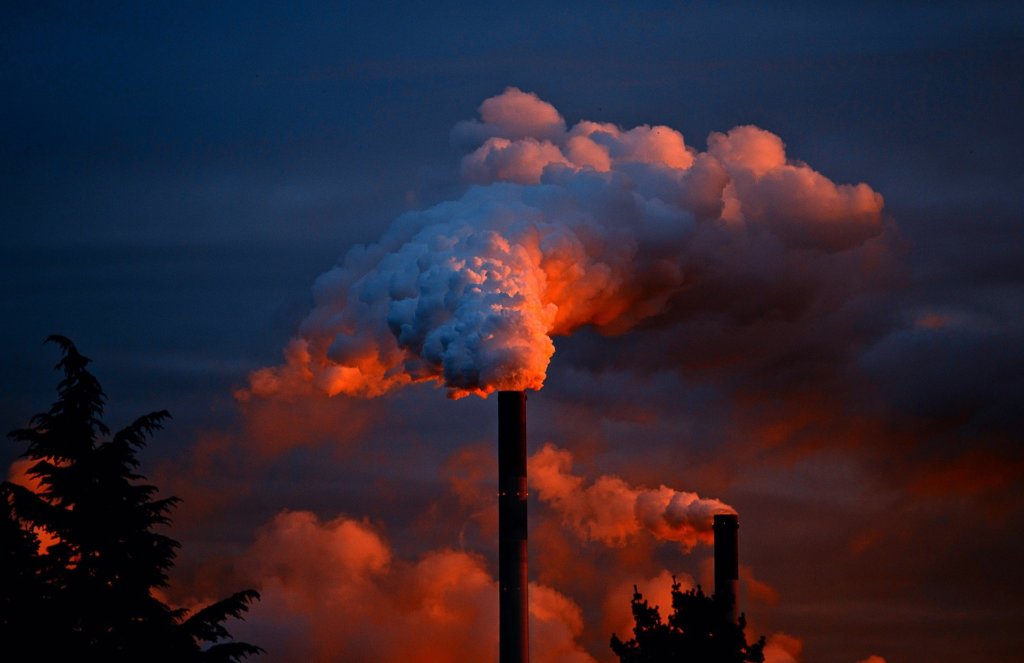
Following its formal adoption by China in June 2021, the amendment entered into force in the People’s Republic of China on 15 September 2021. This makes China the 122nd country to join the signatories of the agreement. The Kigali Amendment aims to phase down the use of HFCs — greenhouse gases with a much higher global warming potential than CO2 which are commonly used in air conditioners, refrigeration, and foam insulation. The timelines for completing the phase-down are differentiated according to industrialisation level and cooling demand, with China being among the countries that must reduce HFC use by 80% by 2045. If fully implemented, the Kigali Amendment could prevent global warming of more than 0.4°C by the end of the century. As China produces the majority of the world’s HFCs and HFC-using equipment, its contribution is critical to the success of this effort.
In May 2021, China’s Ministry of Ecology and Environment (MEE) adopted the “Ordinance on the Management of Ozone-Depleting Substances and HFCs (Revised Draft)”, which includes provisions to implement the national phase-down of HFCs.
The immediate impact of the ratification will be felt as early as September 2021: following the amendment’s entry into force, Chinese chemical plants are obliged to destroy climate-damaging HFC-23 emissions produced as a by-product in the manufacture of Teflon.
Further restrictions on HFCs will come into force from 2024 when the Kigali Amendment restrictions enter into force for developing countries. At that time, the level of HFC production and consumption in China will have to be stopped at the level of the country’s HFC production and consumption in 2020-2022 and the historical level of HCFC use. HFC production and use will further decrease to 90% of the baseline in 2029, 70% in 2035, 50% in 2040 and 20% in 2045.